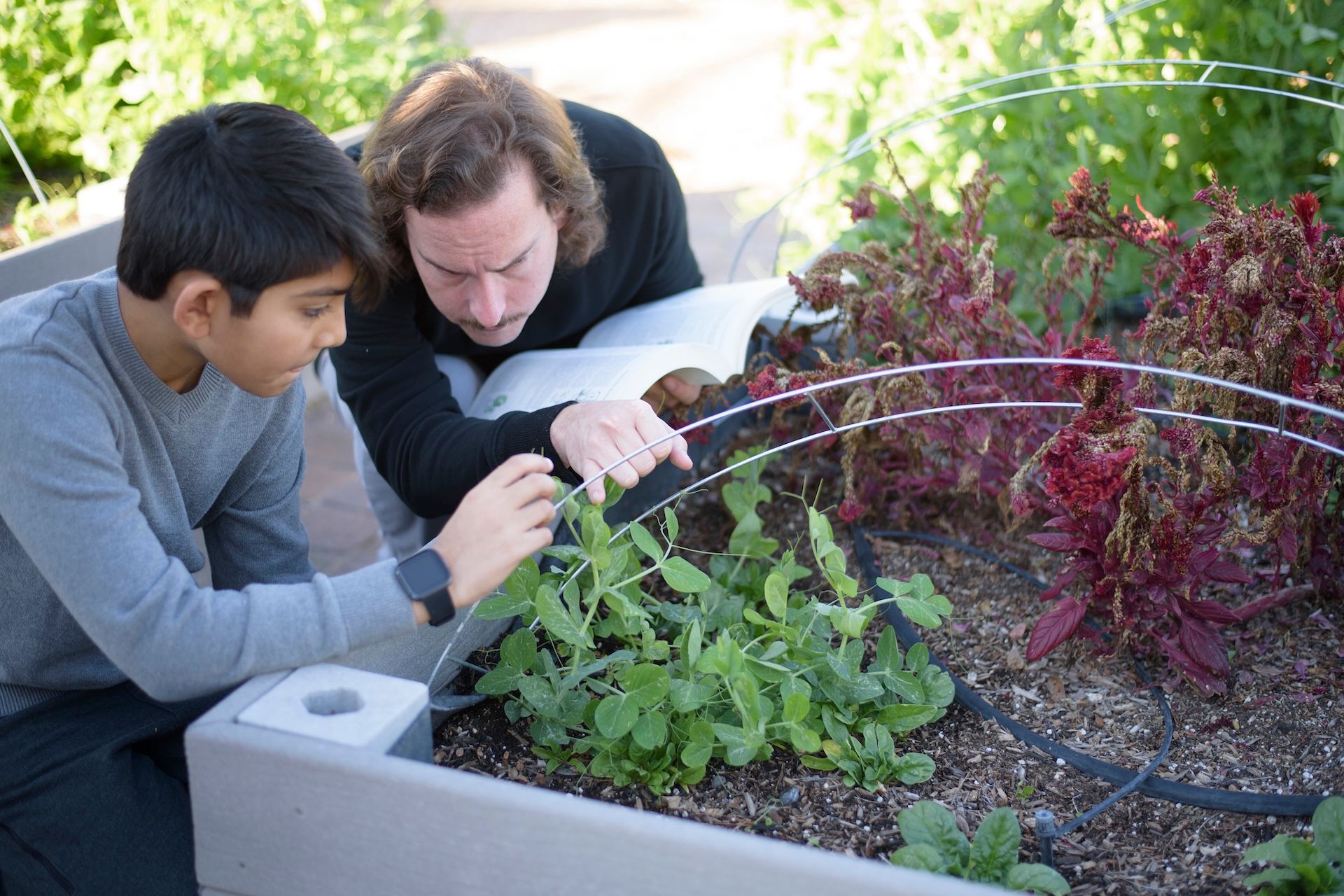
Cosmic Education

April 28, 2025

Elementary-aged children have an innate desire to learn about the universe, the world, places, people, and how they interact. They yearn to understand why and how. They are eager to understand not only the culture in which they live but also make sense of the magnitude of cultures (human and non-human) that make up the entire world and, indeed, the entire cosmos.


Dr. Maria Montessori developed Cosmic Education as a guiding framework for children in the second plane of development (ages 6 to 12). Comic Education is designed to nurture their reasoning minds and imagination while fostering a sense of interconnectedness and wonder. 


The Philosophy of Cosmic Education


Dr. Montessori described Cosmic Education as an approach that offers children a vision of the universe and its order and a way to understand how all things are interrelated.


“If the idea of the universe be presented to the child in the right way, it will do more for him than just arouse his interest, for it will create in him admiration and wonder... his intelligence becomes whole and complete because of the vision of the whole that has been presented to him.”


– Dr. Maria Montessori

To Educate the Human Potential


Rather than teaching isolated subjects, Cosmic Education presents an integrated curriculum where history, science, geography, language, and math are interwoven into a grand narrative. This holistic approach helps children see themselves as part of both a larger human story and the natural world.


The Scope of Cosmic Education


Unlike traditional curricula focused on skills, facts, and assessments, Cosmic Education prioritizes deep exploration. As Montessori educators, we recognize that we are guides who plant seeds of interest, knowing that these seeds may germinate later in life. We encourage children to pursue knowledge freely, follow their curiosity, and make connections across disciplines.


At its core, Cosmic Education is centered around key themes:

Natural Laws: The universe follows natural laws, from gravity to the water cycle, which children observe and study. Human societies also create laws to maintain order and cooperation.


Work & Contributions: Everything in nature and human civilization has a role to play. From the work of bees pollinating plants to the contributions of scientists and artists, children see how each element of the universe is purposeful.


Interdependencies & Relationships: All systems in the universe, from ecosystems to human economies, are interconnected. Montessori education highlights these relationships to foster understanding and responsibility.


Love, Appreciation, & Gratitude: Cosmic Education nurtures a sense of reverence for the universe, whether through scientific discovery or historical narratives.


The Great Stories: A Foundation for Learning


Cosmic Education is introduced through the Great Stories, a series of imaginative, inspiring tales we share with wonder and reference. These stories not only provide a tantalizing glimpse into the marvels of the universe, they also provide a framework for deeper study. In order to bring significant concepts to life, Montessori elementary guides appeal to students’ imagination through allegory, metaphor, beautiful language, charts, and dramatic demonstrations. 


The Great Stories include:


The Creation of the Universe (“God with No Hands”) – An awe-inspiring story about the origins of the universe, the formation of galaxies, and the forces that shape our world.


The Coming of Life – A journey through the evolutionary changes of life on Earth that culminates in an introduction to the fascinating Timeline of Life. 


The Story of Humans – Explores the unique intellectual and creative capacities of human beings, emphasizing imagination and innovation.


The Story of Communication in Signs/The Story of Our Alphabet Story – Traces the development of written language, from ancient symbols to modern alphabets.


The Story of Our Numerals – Highlights how mathematics is another kind of human language and introduces the power of math to bring order and exactness, including how math has allowed humans to meet their needs in different ways.


These stories captivate children’s imaginations, prompting further exploration of subjects like physics, chemistry, history, and biology. They provide a unifying theme that integrates all areas of study, reinforcing the idea that learning is not fragmented but part of a cohesive whole.


Outcomes of Cosmic Education


Dr. Montessori’s vision of education extends beyond academics; it is about shaping compassionate, knowledgeable, and socially responsible individuals. She believed that understanding our place in the cosmos fosters humility, gratitude, and a commitment to improving the world.


Through Cosmic Education, children develop:


  • A sense of purpose, recognizing that their work and actions contribute to the greater whole.


  • An organized and analytical mind, capable of seeing patterns and relationships in complex information.


  • A deep appreciation for humanity and nature, encouraging them to become responsible stewards of the Earth.


  • A lifelong love of learning, driven by curiosity rather than external rewards.


Nurturing wonder, critical thinking, and interconnected understanding lays the foundation for a lifetime of meaningful learning and engagement with the world. Ultimately, Montessori’s Cosmic Education is more than a curriculum—it is a philosophy that empowers children to view themselves as active participants in the ongoing story of the universe. The best way to learn about Cosmic Education is to come see it in action! Schedule a tour today!
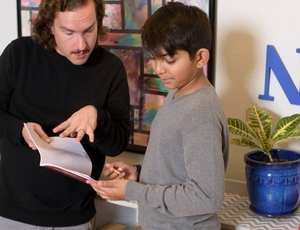

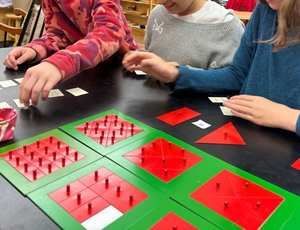
Children explore geometric equivalence using Montessori fraction and area materials.
February 2, 2026
Discover how Montessori geometry introduces equivalence through hands-on exploration, helping children build deep understanding of area, fractions, and mathematical reasoning.
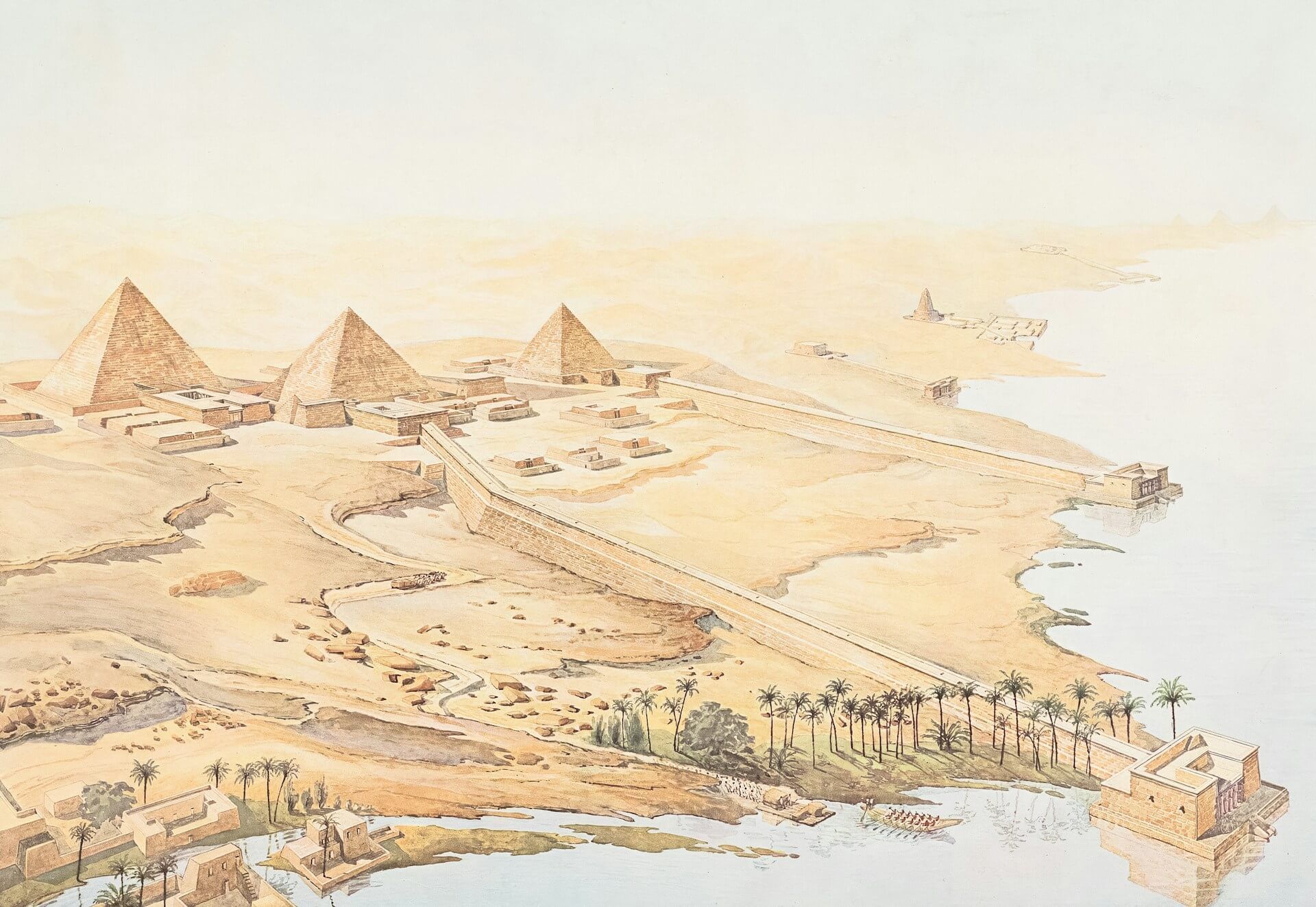
Illustration of ancient Egypt with pyramids and waterways, showing early geometry origin
January 26, 2026
Explore the Montessori story of geometry’s origins, from ancient Egyptian rope-stretchers to modern classrooms, inspiring children’s wonder and curiosity.
Child with crossed arms and an upset expression, showing big emotions during a challenging moment.
January 19, 2026
Few experiences challenge us adults more than feeling disrespected by our children. When a child talks back, shouts hurtful words, or responds with anger, it can strike at the heart of our sense of connection. Yet when we examine these moments more closely, they often reveal something deeper: a child struggling with big feelings and an adult unsure how to respond without escalating the situation. Montessori education reminds us to look beneath behavior and see the developing child who is still learning emotional regulation, communication, and perspective-taking. Disrespectful words are often less about defiance and more about overwhelm. When Children Say, “I Hate You” Children sometimes resort to strong words when they realize they cannot change an adult’s decision. A request to go to a friend’s house or a desire for more independence can quickly turn into an emotional outburst when the answer is “not today.” For many children, especially younger ones, emotions tend to be extreme. They feel that they love a parent when things go their way and hate them when they feel thwarted. As adults, however, we hear the word hate with its full weight and meaning. Merriam-Webster defines hate as “extreme dislike or antipathy: loathing,” and adults often reserve it for moments of deep hurt. Children do not. They use the word as a blunt tool to express frustration, disappointment, or a sense of powerlessness. Rather than reacting to the word itself, Montessori-informed parenting encourages us to respond to the feelings beneath the word. A calm acknowledgment, such as “You’re really angry right now,” helps our children feel seen and understood. The goal is not to accept disrespectful language but to model emotional literacy. By naming the emotion instead of punishing the outburst, we can show children that big feelings can be handled with clarity and calm. When adults overreact to the word hate, children may learn that it is an effective way to provoke a response. When adults remain grounded, children begin to understand that emotions can be expressed without resorting to hurtful language. When Children Talk Back Those angry last words, muttered insults, or attempts to reopen a closed discussion (a.k.a. ‘back talk’) are often viewed as the pinnacle of disrespect. For adults, it can feel like a direct challenge to authority. For children, however, back talk usually signals that the situation has reached a boiling point. They are overwhelmed, upset by a limit, or trying to have the final say when they feel powerless. Some children also learn that persistent pushback can wear down adults’ resolve. If arguing leads to a changed decision even once, children will understandably try again. One effective approach is simply not to engage. Ignoring back talk while still holding firm to the original limit removes the reward of an emotional reaction. It communicates, “The boundary is set, and I won’t be pulled into a power struggle.” This is not permissiveness. It is clarity. When adults refuse to escalate, children gradually stop using back talk as a tool. Over time, they experience a powerful model of self-control: an adult who remains peaceful, firm, and grounded even in tense moments. Allowing a child to have the last word can feel counterintuitive. Yet it often reduces conflict, shortens arguments, and preserves the adult-child connection. It teaches children that relationships do not depend on “winning” but on mutual respect and emotional resilience. Choosing Connection Over Control Disrespectful language can trigger a strong emotional response in us as adults. It can feel personal, even when it isn’t meant that way. In heated moments, it can help to pause and ask a simple question: Is the goal to be right, or is the goal to remain close? Children need loving boundaries, but they also need adults who can maintain connection even when emotions run high. Responding calmly to disrespect does not mean accepting the behavior. It means addressing the root cause rather than reacting to the symptom. Montessori parenting encourages adults to guide children with both firmness and grace. We focus on teaching children not only what behavior is expected, but also how to manage the feelings that fuel behavior. When adults model emotional steadiness, children learn by example. And as they grow, relationships deepen rather than fracture. Over time, the decision to prioritize connection builds trust, strengthens communication, and helps children develop the internal tools needed for respectful interactions. Visit us here in Worcester and Auburn to see how we help families invest in nurturing long-term relationships!
Toddler pouring water in a Montessori Practical Life activity, practicing independence and coordinat
January 12, 2026
Discover how a Montessori prepared environment—at school or home—supports independence, peace, and purposeful activity through thoughtful design.
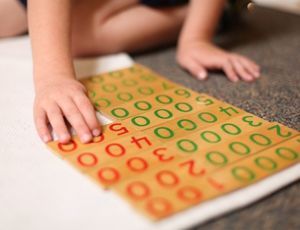
Child using Montessori decimal cards to explore quantity and place value through hands-on math work.
January 5, 2026
See how Montessori math builds true understanding through hands-on materials, nurturing every child’s natural mathematical mind from concrete to abstract.
Montessori’s Living Curriculum: Biology in the Classroom & Beyond
June 30, 2025
Experience how Montessori brings biology to life, nurturing wonder, moral awareness, and a deep sense of connection to the living world.
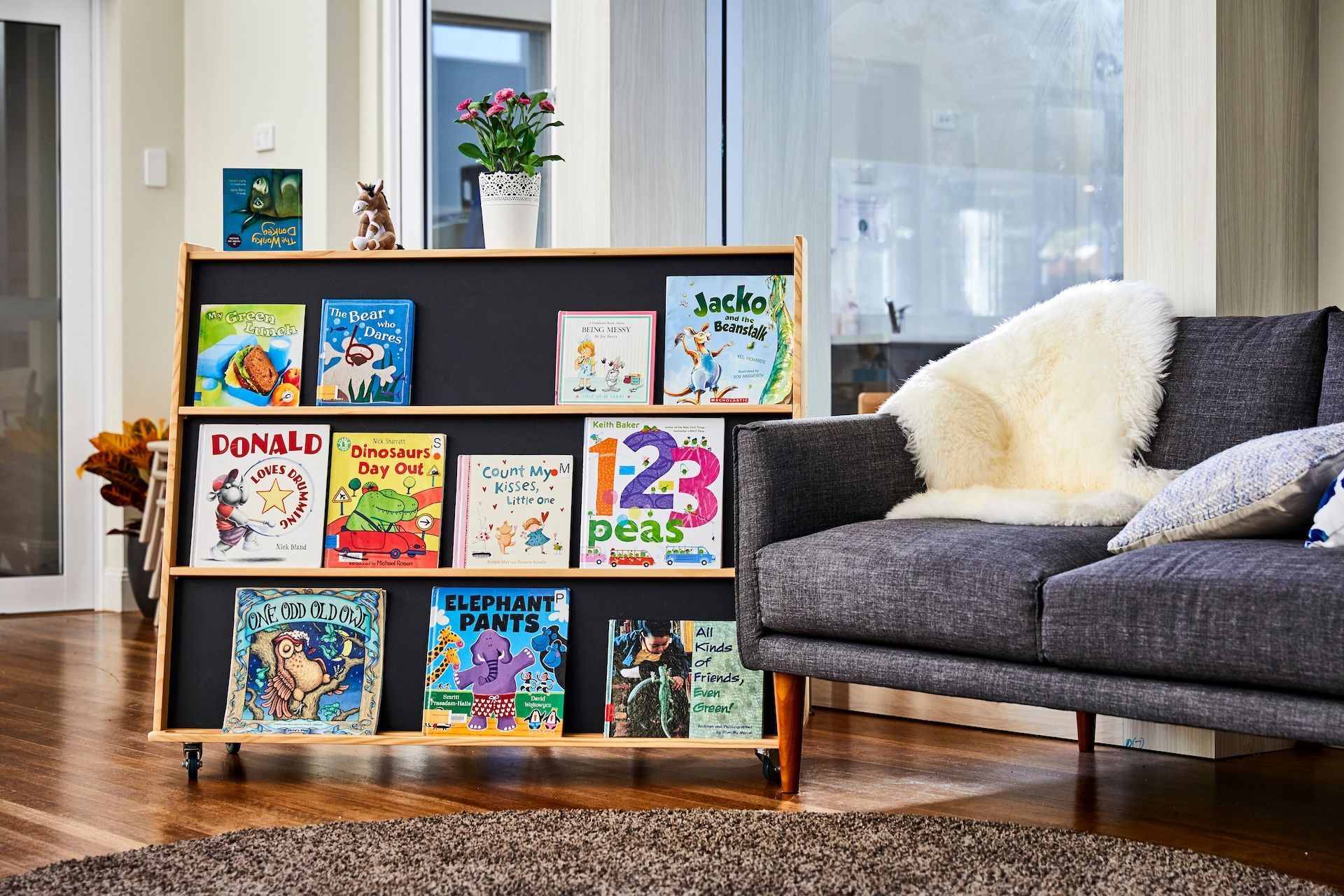
Our Montessori Bookshelf: Wonders of the Natural World
June 30, 2025
Discover beautiful nature books that spark wonder, curiosity, and a lifelong love for the natural world—perfect for Montessori-inspired families!
Wonder and Words: How Montessori Builds Language Through Biology
June 23, 2025
See how Montessori nurtures curiosity and builds a love for biology by connecting hands-on exploration with rich, meaningful language.
A Different Kind of Homework: A Montessori-Inspired Summer
June 9, 2025
Trade worksheets for wonder! Explore our Montessori-inspired summer adventure list to spark joy, curiosity, and real-world learning.
Creating Community in Montessori Toddler Environments
June 2, 2025
Discover how Montessori builds toddler communities where belonging, growth, and meaningful connection are nurtured every day.
Show More